Coping With Toxicity in Nursing
 Nurse Stephanie
Coping With Toxicity in Nursing: A Real Talk Approach
Real Talk Nurse Stephanie
Introduction
Let’s be honest—toxic people are not unique to nursing. You’ll find them in schools, offices, families, and unfortunately, sometimes in healthcare settings as well. So, while it may not be surprising to encounter negativity on a nursing unit, it can still be emotionally draining when it happens in your workplace.
However, even though we cannot always control the environment or the behavior of others, we can control how we respond. As a result, learning how to protect your peace, maintain professionalism, and reduce emotional stress becomes an essential part of surviving and thriving in nursing.
In healthcare, where teamwork and communication are critical, workplace toxicity can impact not only morale but also patient care. Therefore, developing healthy coping strategies is just as important as mastering clinical skills.
What Does Toxic Behavior Look Like in Nursing?
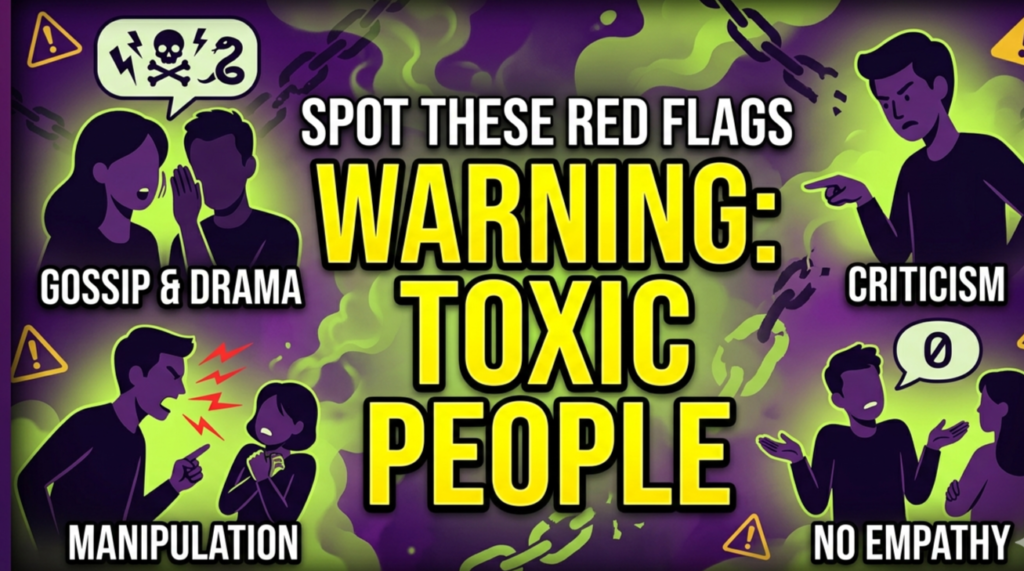
Before discussing coping strategies, it is important to understand what toxic behavior may look like in a healthcare environment.
For example, you may encounter individuals who:
- Thrive on drama or conflict
- Constantly gossip about coworkers
- Create division within the team
- Undermine others subtly or directly
- Enjoy provoking emotional reactions
Often, this type of behavior is described as “misery loves company,” meaning some individuals may attempt to pull others into negativity.
However, recognizing this is not about labeling people. Instead, it is about protecting your mental and emotional well-being while maintaining professionalism.
1. Avoid the Gossip Trap
One of the most important steps in managing workplace toxicity is learning to avoid gossip.
At first, gossip may seem harmless or even like a way to connect with coworkers. However, it rarely reflects the full story and often leads to misunderstandings, tension, and broken trust.
In fact, once you engage in gossip, you may unintentionally become part of a cycle that eventually includes you as a topic of discussion.
Because of this, choosing not to participate is a powerful form of self-protection.
When gossip begins, a simple response can be:
“I prefer not to talk about people when they’re not here to share their side.”
Then, instead of continuing the conversation, redirect your focus back to work or step away if needed.
2. Redirect Your Energy Instead of Engaging
When negativity starts spreading, one of the most effective strategies is to remove your attention from it.
For example, you can:
- Continue charting
- Assist another patient or coworker
- Step away to a quieter space
- Focus on completing tasks
As a result, you communicate through your actions that you are not available for drama—without confrontation.
Over time, this approach often reduces how frequently others attempt to involve you in negative conversations.
3. Set Clear Professional Boundaries
Additionally, boundaries play a key role in protecting your emotional well-being.
Being professional does not mean being emotionally available to every conversation or situation.
Instead, it means:
- Treating all coworkers with respect
- Remaining neutral during conflict
- Avoiding participation in negativity
- Staying focused on patient care
Even if others choose to behave unprofessionally, you are not required to mirror that behavior.
4. Stay Neutral and Avoid Cliques
In many nursing units, you may notice informal groups or “cliques.” While some are simply friendships, others can unintentionally create division or exclusion.
However, getting involved in these dynamics can lead to unnecessary stress and workplace tension.
Therefore, a healthier approach is to remain neutral and professional with everyone.
For example:
- Be respectful to all coworkers
- Avoid favoritism or side-taking
- Focus on teamwork rather than social alignment
As a result, you maintain professionalism, credibility, and emotional balance.
5. Protect Your Mental Energy
Unfortunately, constant exposure to negativity can slowly drain your emotional energy.
Because of this, it is important to intentionally protect your mental space.
You can do this by:
- Mentally disengaging from gossip
- Taking breaks when possible
- Processing stress outside of work
- Talking to supportive people outside your unit
6. You Don’t Have to Participate to Belong
At first, some new nurses feel pressure to participate in gossip or negativity in order to fit in.
However, professionalism does not require participation in toxic behavior.
In fact, many experienced nurses respect those who remain calm, neutral, and focused on patient care.
Ultimately, staying out of negativity often earns long-term respect, even if it feels uncomfortable in the beginning.
7. External Resource for Workplace Health
If you would like to learn more about maintaining healthy nursing environments, workplace safety, and professional standards, the American Nurses Association (ANA) offers valuable resources on nursing ethics, advocacy, and workplace well-being:
Final Thoughts
In conclusion, toxicity may exist in some nursing environments, but it does not have to define your experience or your career.
While you cannot control every person around you, you can control your response, your boundaries, and your participation.
Ultimately, choosing professionalism, neutrality, and kindness is not weakness—it is strength.
Nursing is already a demanding profession. Therefore, protecting your peace is not optional—it is essential for your long-term well-being and success.
Stay focused. Stay professional. And above all, stay grounded in your purpose as a nurse.